Signs and Symptoms of Autism Spectrum Disorder : What to Look for
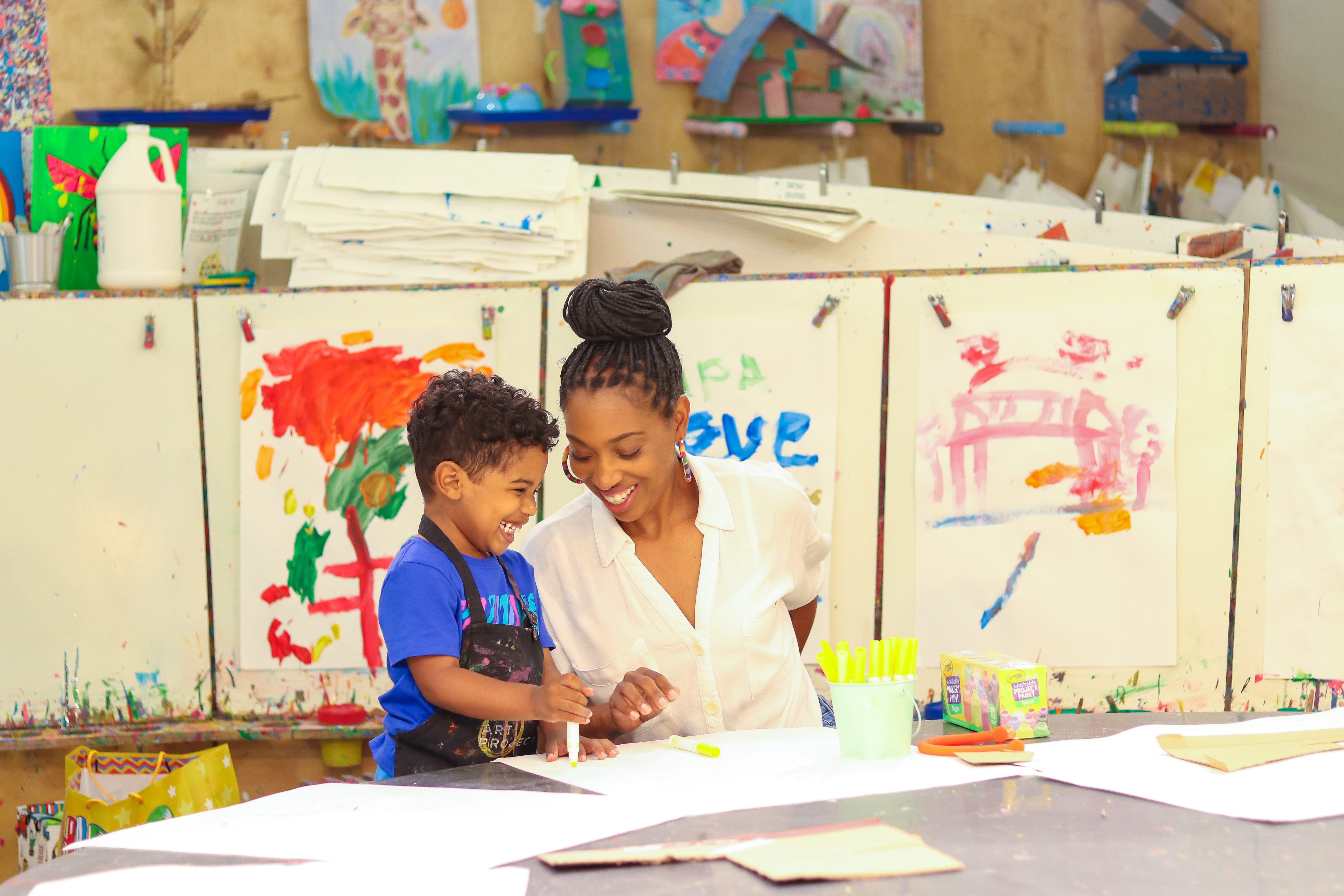
Being very honest, until I had my son and he was diagnosed with autism, I didn't have much understanding of autism. I had heard of autism, yes. Clincally from working in healthcare, I knew what to look for and treatment but not a real personal experience.
Navigating autism as a parent of a child on the spectrum, I have learned that it is an ongoing learning experience. It should also be an inclusive opportunity to learn as well. If we are to truly accept as parents and caregivers and a society, we have to be more educated.

Here is a practical guide for signs and symptoms of autism spectrum disorder. It is always evolving and unique.
Autism, Autism Spectrum Disorder, often called ASD, is a neurodevelopmental difference. That means a person’s brain develops and works a little differently from what’s considered “typical.” Here at Happy Goodness, autism is not an illness, not something caused by bad parenting, and not something that needs to be “fixed.”
People on the autism spectrum may experience the world differently. How they communicate, learn, process emotions, respond to sounds or textures, or connect with others may be different from others. Some autistic people talk a lot, some talk very little or not at all. Some may need more support in daily life, and others are very independent. That’s why it’s called a spectrum. There’s a wide range of experiences.
Clinically, autism is often described as a neurodevelopmental condition affecting social communication, interaction, and behavior, characterized by a wide range of symptoms and varying support needs, making it a "spectrum" disorder. Key characteristics include challenges with social skills, repetitive behaviors, intense interests, and sensory sensitivities, though each autistic person experiences it uniquely, with distinct strengths and challenges.
Differences in social communication (how someone expresses themselves or understands others)
Sensory processing differences (being more or less sensitive to noise, lights, touch, food textures, etc.)
Repetitive behaviors or routines that help with regulation and comfort
Focused interests that can be deep, meaningful, and even gifted

In real life, autism looks like a child who might need extra time, extra patience, or a different way of learning, not less love or lower expectations. Autistic people feel deeply, care deeply, and deserve to be understood on their own terms.
Autism is part of who someone is, not the whole story, but an important chapter. With the right support, acceptance, and community, autistic children and adults can thrive, grow, and live full, meaningful lives.
Signs of Autism
Communication & Connection
Limited eye contact or using eye contact differently
Not responding to their name consistently
Delayed speech, or speaking very early but in a unique way
Repeating words or phrases (called echolalia) instead of using their own words
Using fewer gestures, like pointing or waving
Social interaction
Prefers playing alone or alongside others rather than with them
Doesn’t show interest in typical “back and forth” play
May not imitate adults or other children often
Shows affection differently—very attached or more independent
Sensory differences
Strong reactions to sounds, lights, textures, or certain fabrics
Covers ears, avoids touch, or becomes overwhelmed in busy spaces
Seeks sensory input—spinning, rocking, lining things up, touching everything
Behavior & routines
Likes routines and may struggle with sudden changes
Repetitive movements like hand-flapping, rocking, or pacing (often called stimming, which helps with self-regulation)
Deep focus on specific interests, toys, or topics
Emotional regulation
Big emotions that can look like tantrums but are actually overwhelm
Difficulty calming down without support
May seem “ahead” in some areas and need more help in others
If you recognize signs of autism in your child, don’t hesitate to speak with your pediatrician or a developmental specialist. While early support can be beneficial, many children and adults thrive once they have the right tools, understanding, and community.
Whether you’re just starting to research or already suspect something, learning about the signs and symptoms of autism is one of the most empowering things you can do as a parent.


Comments